7 Lessons from Ore Oduba on Grief Gratitude and Overcoming Addiction
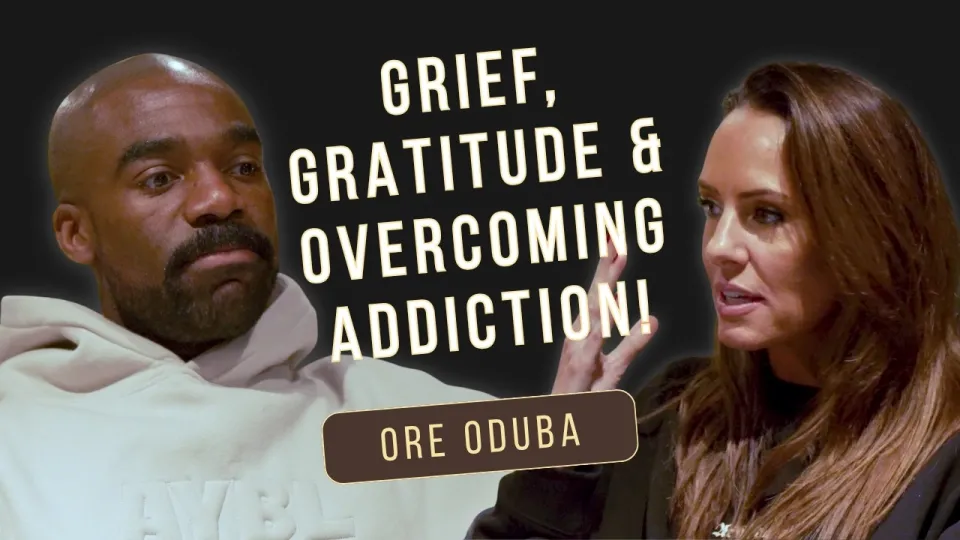
Video: ORE ODUBA Interview: Grief, Gratitude and Overcoming Addiction! TV Star Interview
Ore Oduba is a well-known TV personality who has openly discussed his journey through grief, gratitude, and addiction recovery. His story offers valuable insights into coping mechanisms and personal transformation. This article outlines seven key lessons from Ore Oduba's interview on the Happy After Podcast by Annalie Howling.
1. Understanding Grief as a Complex Process
Ore Oduba explains that grief is not a linear experience but a complex, deeply personal process. He emphasizes that allowing oneself to feel the pain and acknowledging grief is critical for healing. Denying or suppressing grief can hinder recovery and prolong emotional distress 12:45.
2. Practicing Gratitude to Foster Healing
Gratitude is a powerful tool Oduba credits for helping him overcome addiction and emotional struggles. He practices gratitude daily, focusing on small positive aspects of life, which shifts perspective from pain to appreciation, aiding mental resilience 20:10.
3. Recognizing Addiction as a Symptom of Deeper Issues
Ore Oduba shares that addiction often masks underlying emotional pain or trauma. He stresses the importance of addressing these root causes rather than just the addiction itself. This approach enables sustainable recovery and self-understanding 05:30.
4. Building a Support System for Recovery
A crucial element in Oduba's journey was surrounding himself with supportive friends, family, and professionals. He highlights how therapy and open communication helped him navigate difficult moments and maintain sobriety 28:15.
5. Developing Self-Awareness and Mindfulness
Oduba discusses the role of self-awareness in recognizing triggers and emotional states that could lead to relapse. Mindfulness practices helped him stay grounded and make conscious choices aligned with his recovery goals 15:00.
6. Accepting Imperfection and Embracing Progress
Rather than striving for perfection, Ore Oduba advocates accepting setbacks as part of the healing process. He encourages celebrating small victories and understanding that progress is nonlinear and personal 32:40.
7. Using Personal Stories to Inspire and Help Others
Finally, Oduba believes sharing his story publicly creates connection and hope for others facing similar struggles. His openness reduces stigma around addiction and mental health, fostering community and support 38:05.
Итог
Ore Oduba’s interview on Annalie Howling: Happy After Podcast offers an honest and inspiring perspective on navigating grief, cultivating gratitude, and overcoming addiction. His lessons emphasize self-compassion, support networks, and mindful recovery as keys to lasting change. His story serves as a reminder that healing is multifaceted and deeply personal.
For those seeking motivation or guidance in their own journeys, these insights provide practical and emotional tools to move forward with resilience and hope.
Watch the full interview here.
Key takeaways
- Ore Oduba is a TV star who openly shares his struggles with addiction and grief.
- He credits gratitude as a vital tool in his recovery journey.
- Oduba highlights the importance of self-awareness in overcoming personal challenges.
- He emphasizes the role of support systems like therapy and loved ones.
- His story was featured on Annalie Howling: Happy After Podcast.
Source: ORE ODUBA Interview: Grief, Gratitude and Overcoming Addiction! TV Star Interview · Markdown version
Questions & answers
Who is Ore Oduba and what challenges has he faced?
Ore Oduba is a TV star who has publicly shared his experiences with grief and addiction, highlighting his path to recovery and personal growth.
How does Ore Oduba view the role of gratitude in recovery?
He sees gratitude as essential for healing, helping shift focus from pain to positive aspects of life and building mental resilience.
What support systems did Ore Oduba rely on during his recovery?
Ore Oduba emphasizes the importance of therapy, family, friends, and open communication as key support systems in his recovery journey.
Why does Ore Oduba believe sharing personal stories is important?
Sharing his story helps reduce stigma, offers hope to others facing similar issues, and fosters a sense of community and understanding.